Political Tensions Rise Over New Legislative Proposals
Recent discussions in the capital have intensified as lawmakers evaluate a series of new legislative proposals designed to address critical social issues. The proposed measures, which were outlined during a press conference on Tuesday, aim to improve public healthcare, increase funding for education, and enhance workers’ rights.
Leaders from both major political parties have expressed contrasting views on the initiatives. Following the announcement, Democratic leaders hailed the proposals as a significant step toward ensuring equitable access to essential services for all citizens. They argue that these measures are crucial for fostering a more inclusive society.
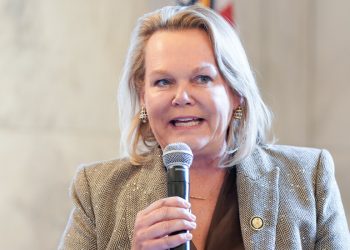
“These proposals represent a commitment to our communities and an investment in our future,” stated Senator Jane Doe, a leading advocate for the healthcare reforms. “Every citizen deserves access to quality healthcare, and education is a fundamental right.” Her remarks were echoed by several party colleagues who highlighted the proposals’ potential benefits for disadvantaged populations.
Opposition Voices Concerns
Conversely, Republican leaders have voiced strong opposition, citing concerns over the potential economic implications of the proposed spending. They argue that increased funding could lead to higher taxes and place an additional burden on taxpayers. In a statement, House Minority Leader John Smith asserted that the focus should be on fiscal responsibility rather than expanding government programs.
“While we all agree on the importance of healthcare and education, we must find a balance that does not jeopardize our economic stability,” Smith stated. He further emphasized the need for solutions that promote growth without incurring unsustainable debt.
Next Steps for Legislation
As the debate continues, congressional committees are expected to begin reviewing the proposals in detail over the coming weeks. Public hearings will also be scheduled, allowing citizens to voice their opinions and concerns. Lawmakers are urged to consider the diverse perspectives as they work toward a consensus that can garner bipartisan support.
The outcomes of this legislative effort could have lasting implications for the political landscape and the day-to-day lives of constituents across the country. As both sides prepare for a contentious debate, the emphasis remains on the necessity for dialogue and compromise in addressing the pressing challenges facing the nation.